What Causes Appliances to Overheat and When Should You Be Concerned?
Most household appliances generate some heat during normal operation. Refrigerators remove heat from food compartments, dryers use heat to dry clothes, dishwashers rely on hot water, and microwave ovens generate heat for cooking. However, when appliances overheat, the situation can quickly become a performance issue, safety concern, or costly repair.
Many homeowners ignore excessive heat because the appliance continues operating. Unfortunately, overheating is often one of the earliest signs of developing mechanical, electrical, or airflow-related problems. Understanding why appliances overheat can help homeowners prevent expensive repairs, improve efficiency, and extend appliance lifespan. Whether you need professional Appliance Repair in Sioux Falls or want to avoid future breakdowns, identifying the causes of overheating is essential
Why Appliances Overheat More Often Than Homeowners Realize
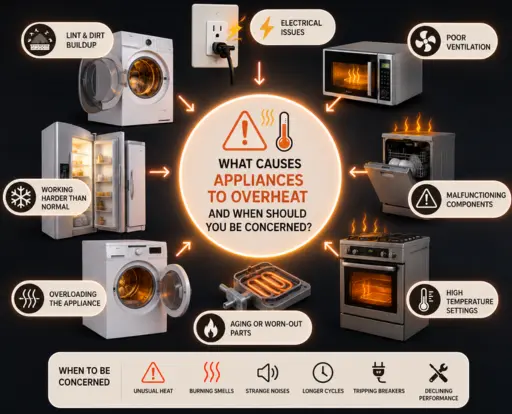
Many appliances are designed to operate within specific temperature ranges. When airflow becomes restricted, components begin wearing out, or electrical systems malfunction, internal temperatures can rise beyond normal operating conditions.
In many cases, overheating develops gradually and may go unnoticed until homeowners experience declining performance, unusual odors, excessive energy consumption, or unexpected appliance failures. Homeowners seeking appliance repair services in Crooks often discover that overheating issues had been developing long before major appliance problems became obvious.
Poor Airflow Is One of the Main Reasons Appliances Overheat
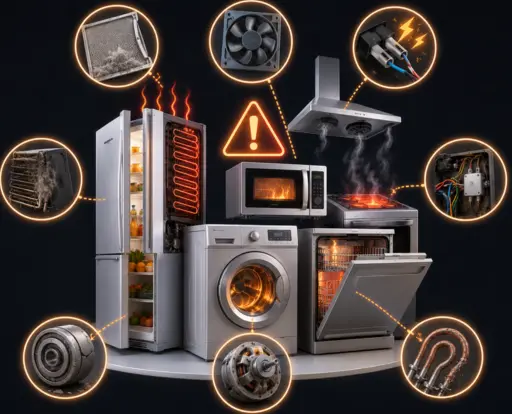
One of the most common reasons appliances overheat is restricted airflow. Many household appliances rely on proper ventilation to remove excess heat during operation. Common airflow issues include:
When airflow becomes restricted, appliances must work harder to perform normal functions. This additional strain increases operating temperatures and places unnecessary stress on important components. For example, homeowners experiencing a dryer takes too long to dry issue often discover that restricted airflow is causing both poor performance and overheating.
Dirty Components Can Cause Appliances to Overheat
Dust, grease, lint, and debris are among the most overlooked causes of appliance overheating. Over time, contaminants accumulate inside appliance systems and reduce cooling efficiency. Common problem areas include:
Dirty components trap heat and prevent appliances from maintaining normal operating temperatures. Regular cleaning remains one of the simplest ways to prevent overheating and improve efficiency. Many homeowners seeking home appliance service in Valley Springs discover that basic maintenance could have prevented overheating-related repairs.
Failing Components Often Cause Appliances to Overheat
As appliances age, internal components naturally experience wear. Motors, fans, pumps, compressors, heating systems, and electronic controls can all contribute to overheating when they begin failing. Common examples include:
These components often continue operating while generating excessive heat. Over time, this can lead to additional wear, reduced efficiency, and larger repair expenses. Many of the common appliances problems homeowners encounter begin with overheating symptoms that gradually worsen.
Electrical Problems Can Make Appliances Overheat
Modern appliances rely heavily on electrical systems, circuit boards, relays, sensors, and wiring connections. Electrical faults frequently contribute to overheating problems. Common electrical causes include:
Homeowners seeking appliance repair experts in Dell Rapids often report overheating appliances before discovering underlying electrical issues. Professional diagnosis is particularly important because electrical problems can create both performance and safety concerns.
Appliance Warning Signs Often Appear Before Overheating Becomes Serious
Most overheating appliances show symptoms before major failures occur. Recognizing these signs early can help homeowners prevent expensive repairs. Common appliances warning signs include:
For example, a refrigerator not cooling properly may begin running continuously, causing internal components to overheat. Likewise, a dishwasher not cleaning dishes may indicate circulation or heating issues that affect overall efficiency. Addressing warning signs early often prevents larger breakdowns.
Overloading Appliances Increases Heat Buildup
Many homeowners unintentionally shorten appliance lifespan by consistently overloading appliances. Examples include:
Overloading increases strain on motors, bearings, pumps, and other components. As workload increases, operating temperatures often rise as well. Homeowners dealing with a washing machine leaking water issue sometimes discover that repeated overloading contributed to both mechanical wear and overheating concerns.
Aging Appliances Become More Susceptible to Overheating
As appliances age, efficiency naturally declines. Components wear down, airflow systems become less effective, and electrical systems experience increased stress. Older appliances often:
This does not always mean replacement is necessary. In many situations, professional service can restore efficiency and improve performance. Homeowners using appliance repair services in Baltic often find that preventative maintenance significantly reduces overheating issues in aging appliances.
Why Ignoring Overheating Can Lead to Appliance Failure
One of the most common reasons why appliances break down is prolonged overheating. Excessive heat places stress on motors, compressors, pumps, control boards, and electrical systems. When overheating continues, components often wear out faster and may eventually fail completely. What begins as a minor performance issue can quickly become an expensive repair or appliance replacement. This is why overheating should never be considered normal appliance behavior.
When Appliances Overheat and Require Immediate Attention
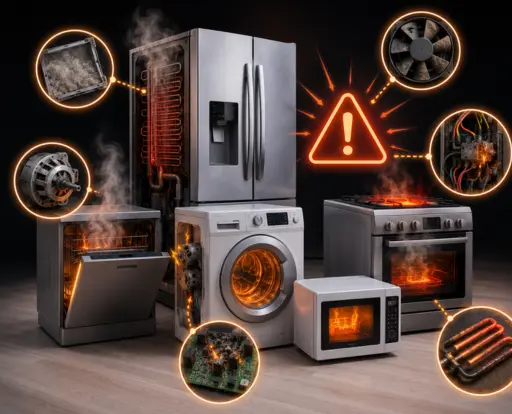
Not every overheating appliance requires emergency service, but certain situations should never be ignored. Warning signs that require immediate action include:
Many situations requiring emergency appliance repair begin with overheating symptoms that gradually worsen over time. Immediate diagnosis helps prevent additional damage and improves appliance safety. If overheating is accompanied by unusual smells or electrical concerns, professional service should be scheduled immediately.
How Professional Repairs Help Prevent Appliances Overheat
Professional technicians use advanced diagnostic equipment to identify the root cause of overheating problems. Rather than replacing an entire appliance, repairs often focus on the specific component responsible for excessive heat generation. Whether the issue involves airflow restrictions, electrical faults, worn motors, failing fans, or damaged sensors, professional repairs help restore normal operating temperatures.
Homeowners seeking professional appliance services in Crooks, Valley Springs, Dell Rapids, and Baltic often discover that correcting overheating issues early improves efficiency, reduces appliance repair costs, and extends appliance lifespan.

Frequently Asked Questions
Why do appliances overheat?
Restricted airflow, dirty components, failing parts, electrical issues, and excessive workloads are among the most common reasons appliances overheat.
Can overheating damage an appliance?
Yes. Excessive heat can damage motors, compressors, control boards, sensors, and other critical components.
Is it normal for appliances to feel warm?
Some warmth is normal during operation. However, excessive heat, burning odors, or overheating symptoms should be inspected.
Can dirty appliance components cause overheating?
Absolutely. Dust, lint, grease, and debris often restrict airflow and increase operating temperatures.
When should I call a technician for an overheating appliance?
Professional service is recommended whenever overheating affects performance, produces odors, causes shutdowns, or creates safety concerns.
Can maintenance prevent appliances from overheating?
Yes. Regular cleaning, airflow maintenance, and early repairs help prevent many overheating-related problems.
Final Thoughts
Understanding why appliances overheat helps homeowners recognize developing problems before they lead to costly failures. Restricted airflow, dirty components, worn parts, electrical issues, overloading, and neglected maintenance are among the most common causes of overheating.
Whether the issue affects a refrigerator, washing machine, dryer, dishwasher, microwave oven, water heater, vent hood, or another household appliance, addressing overheating early helps improve efficiency, reduce repair expenses, and extend appliance lifespan. By recognizing warning signs and scheduling professional service when needed, homeowners can prevent major breakdowns and maintain reliable appliance performance.


