Why Is My Appliance Using More Electricity Than Normal?
A sudden increase in electricity usage often leaves homeowners wondering whether their utility rates have changed or if an appliance is causing the problem. In many cases, the real issue is an appliance using more electricity than it should. Appliances that once operated efficiently can gradually consume more power due to wear, poor maintenance, failing components, or hidden performance issues.
Many homeowners do not notice the problem immediately because the appliance continues to function normally. However, higher energy bills, longer operating cycles, unusual noises, declining performance, and excessive heat are often warning signs that an appliance is working harder than necessary. Understanding why an appliance uses more electricity can help homeowners reduce utility costs, improve efficiency, and avoid expensive repairs.
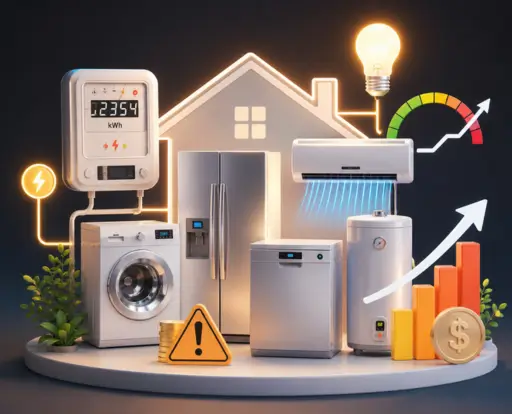
Why Appliance Using More Electricity Is a Common Problem
Modern appliances are designed to operate efficiently, but efficiency naturally declines when components become dirty, worn, damaged, or improperly maintained. When an appliance struggles to perform its normal function, it often compensates by running longer or working harder, resulting in higher energy consumption.
This issue can affect refrigerators, washing machines, dryers, dishwashers, microwave ovens, water heaters, garbage disposals, vent hoods, and other household appliances. Homeowners seeking professional Appliance Repair in Sioux Falls often discover that increasing utility bills are directly connected to developing appliance problems.
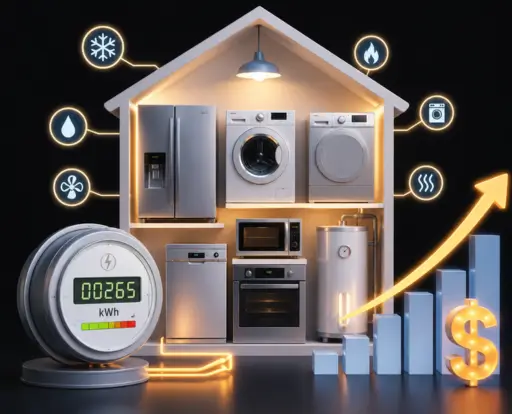
Dirty Components Often Cause Appliance Using More Electricity
One of the most common reasons an appliance using more electricity is poor maintenance. Dirt, dust, grease, lint, and debris can significantly reduce appliance efficiency. Common examples include:
When these areas become dirty, appliances must operate longer to achieve normal performance. This additional workload increases energy consumption and places unnecessary stress on internal components. Homeowners using appliance repair services in Crooks often discover that simple cleaning and maintenance can improve efficiency almost immediately.
Poor Airflow Makes Appliances Work Harder
Airflow is essential for many household appliances. When airflow becomes restricted, appliances often consume more electricity while trying to maintain normal operating conditions. Common airflow-related problems include:
For example, homeowners experiencing a dryer takes too long to dry problem often find that airflow restrictions force the appliance to run longer cycles, increasing electricity usage and reducing efficiency. Maintaining proper airflow helps appliances perform better while reducing energy costs.
Failing Components Can Increase Energy Consumption
Many homeowners do not realize that worn or failing components can significantly affect appliance efficiency. Common examples include:
These components may continue operating while requiring more power to perform the same task. Over time, the appliance consumes more electricity and experiences additional wear. Many of the common appliances problems homeowners experience begin with declining efficiency before larger mechanical failures occur.
Appliance Warning Signs Often Appear Before Energy Bills Increase
Higher utility bills rarely occur without warning. In most situations, appliances show symptoms before energy consumption rises significantly. Common appliances warning signs include:
For example, a refrigerator not cooling properly may begin running continuously in an attempt to maintain temperature. Likewise, a dishwasher not cleaning dishes may extend wash cycles while struggling to perform efficiently. Recognizing these warning signs early often prevents higher utility costs and larger repairs.
Aging Appliances Often Become Less Efficient
As appliances age, internal components naturally experience wear. While many appliances continue operating for years, efficiency often declines over time. Older appliances may:
This does not always mean replacement is necessary. In many cases, professional maintenance or targeted repairs can restore efficiency and improve performance. Homeowners seeking home appliance service in Valley Springs often discover that servicing an older appliance is more affordable than replacing it prematurely.
Water Heating Problems Can Increase Electricity Usage
Water heating systems are among the largest energy consumers in many households. Appliances that rely on heated water can become less efficient when components begin failing. Examples include:
A failing heating element, thermostat issue, or sediment buildup can force the appliance to consume more electricity while producing lower performance. Routine inspections help identify these problems before utility costs increase significantly.
Electrical Problems Can Cause Appliance Using More Electricity
Electrical issues often affect appliance efficiency long before a complete failure occurs. Common causes include:
Homeowners seeking appliance repair experts in Dell Rapids frequently discover that recurring electrical issues contribute to increased power consumption and declining appliance performance. Professional diagnosis can often identify these hidden problems before they lead to expensive repairs.
eski content ki image bnani h jo k purely uniqe ho uska size 512 width or 415 hight rkhna h or image ko light colours me bnana jo k balck backhgroud per enhacne ho or image pure uniqe honi h chye or content or title ko fulfill kry
Electrical Problems Can Cause Appliance Using More Electricity
Many homeowners continue using appliances despite obvious performance problems because the appliance still works. Unfortunately, delaying repairs often increases electricity consumption. For example, homeowners dealing with a washing machine leaking water issue may also experience increased operating times due to related mechanical problems.
Likewise, unusual sounds, declining performance, and repeated cycling often indicate inefficiencies that increase utility costs. Addressing problems early improves efficiency while reducing long-term operating expenses.

How Professional Repairs Improve Appliance Efficiency
Professional repairs do more than restore appliance performance. They also help improve efficiency and reduce unnecessary energy consumption. A professional technician can identify:
Homeowners using appliance repair services in Baltic often discover that restoring proper operation significantly reduces monthly energy usage.Professional service is particularly valuable when efficiency problems are not immediately visible.
Why Emergency Appliance Repair Can Prevent Larger Energy Losses
Some efficiency problems eventually become serious appliance failures. Refrigerators running continuously, overheating dryers, failing water heaters, and electrical malfunctions can all lead to substantial increases in electricity consumption.
Many situations requiring emergency appliance repair begin as small performance issues that gradually worsen over time. Early intervention often prevents both major repairs and excessive energy waste. The sooner efficiency problems are identified, the easier they are usually to correct.
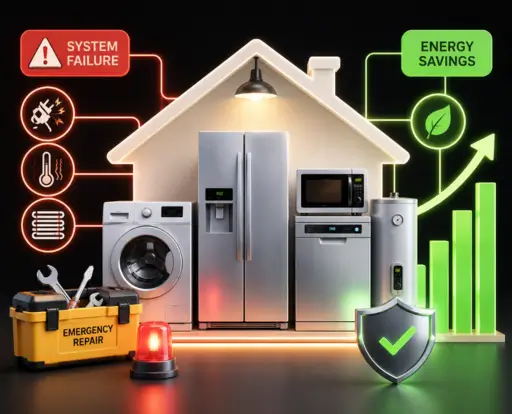
How Homeowners Can Reduce Appliance Energy Usage
Reducing appliance electricity consumption often starts with simple maintenance and monitoring habits.
Homeowners should:
These practices help appliances operate efficiently while reducing unnecessary energy consumption and extending equipment lifespan.
Frequently Asked Questions
Why is my appliance using more electricity than before?
Common causes include dirty components, restricted airflow, failing parts, aging systems, electrical issues, and neglected maintenance.
Can dirty appliances increase energy bills?
Yes. Dirt, dust, lint, and debris often reduce efficiency and force appliances to consume more electricity.
Do appliance warning signs affect energy usage?
Absolutely. Performance issues, unusual noises, temperature fluctuations, and longer operating cycles often indicate increasing energy consumption.
Can repairs reduce appliance electricity usage?
Yes. Restoring proper operation often improves efficiency and lowers monthly utility costs.
Should I replace an appliance that uses too much electricity?
Not always. Professional diagnosis can determine whether maintenance or repairs can restore efficiency.
How often should appliances be serviced?
Routine maintenance and periodic inspections help identify efficiency problems before they affect performance or increase energy costs
Final Thoughts
If you notice an appliance using more electricity than normal, the issue is often linked to maintenance problems, restricted airflow, aging components, electrical faults, or developing mechanical failures. While the appliance may continue operating, higher energy consumption is frequently a sign that something is preventing efficient performance.
By recognizing warning signs early, maintaining appliances properly, and scheduling professional service when needed, homeowners can improve efficiency, lower utility bills, and extend appliance lifespan. Taking action before small problems become major failures remains one of the most effective ways to reduce long-term appliance ownership costs.


