Washing Machine Leaking Water? Common Causes and Solutions for Sioux Falls Homes
If your washing machine is leaking water, the problem may be caused by damaged hoses, worn door seals, drainage issues, faulty water inlet valves, or internal component failures. While some leaks can be resolved through simple maintenance, recurring water leaks often require professional Washing Machine Repair in Sioux Falls to prevent water damage, mold growth, and costly appliance repairs.
A leaking washing machine is one of the most common appliance problems homeowners face. Even a small puddle around the appliance can indicate a larger issue developing inside the machine. Ignoring the leak may lead to damaged flooring, higher utility bills, and expensive repairs that could have been avoided with early intervention.
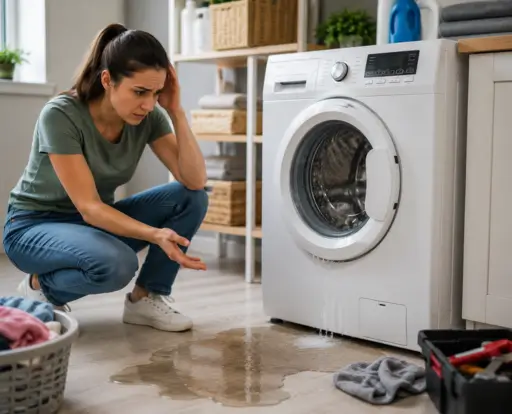
Why Is My Washing Machine Leaking Water?
A washing machine handles large amounts of water during every cycle. To keep water contained, the appliance relies on hoses, valves, pumps, seals, and drainage components working together properly. When one of these components begins to wear out or fail, water can escape and collect around the appliance. Some leaks occur only during certain wash cycles, while others continue even when the machine is not actively running.
Many homeowners searching for reliable appliance repair in Sioux Falls first notice a minor leak before discovering a more significant mechanical problem. Understanding the cause of the leak is the first step toward preventing further damage.
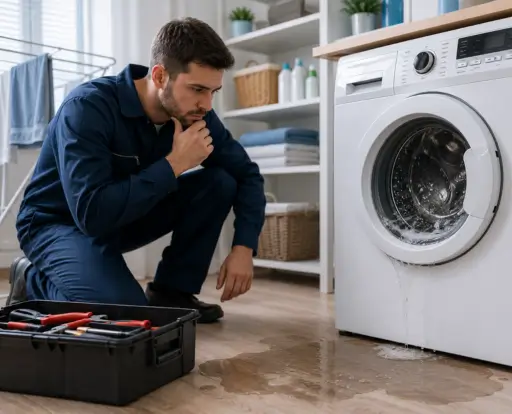
Common Causes of Washing Machine Water Leaks
A washing machine may leak water because of:
Some of these problems are easy to identify, while others require professional diagnosis. The source of the leak is not always located where the water appears on the floor, which can make troubleshooting more difficult.
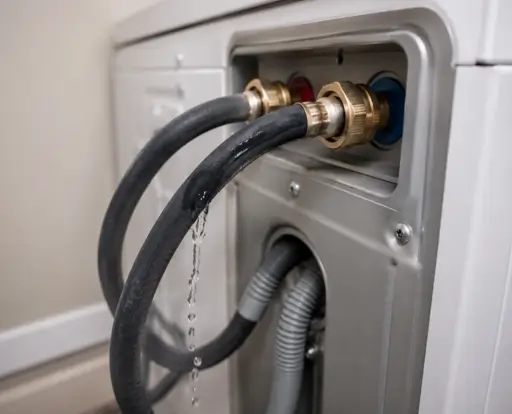
Damaged Water Hoses Are a Common Cause
Water supply hoses carry water into the washing machine under constant pressure. Over time, these hoses can crack, weaken, or develop small leaks near the connection points.A damaged hose often creates a slow leak that worsens gradually. Because the water may drip behind the appliance, many homeowners do not notice the issue until significant moisture accumulates.
Older homes and laundry rooms frequently experience this problem because rubber hoses naturally deteriorate with age. Replacing worn hoses before they fail completely is one of the simplest ways to prevent water damage.
Worn Door Seals Can Cause Front Load Washers to Leak
Front load washing machines use a rubber door gasket to create a watertight seal during operation. As the gasket ages, it can develop cracks, tears, or debris buildup that prevents proper sealing.
Common signs include:
A damaged gasket often allows water to escape during high-speed spin cycles when pressure inside the machine increases.Homeowners looking for dependable home appliance service in Brandon SD frequently discover that a worn door seal is responsible for recurring leaks that appear difficult to diagnose.
Drainage Problems Can Lead to Water Overflow
A washing machine must remove water efficiently during each cycle. If the drainage system becomes restricted, water may back up and overflow onto the floor.Lint buildup, detergent residue, and debris are among the most common causes of drainage restrictions. In some cases, a partially clogged drain hose may allow water to drain slowly while still creating occasional leaks.
Because drainage issues often develop gradually, homeowners may notice small leaks for weeks before recognizing the true source of the problem.
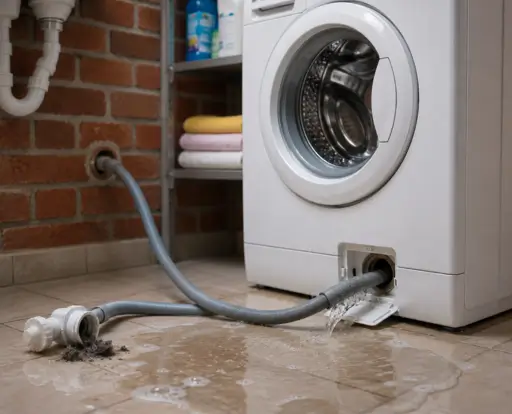
Faulty Water Inlet Valves Can Create Hidden Leaks
The water inlet valve controls how much hot and cold water enters the machine. If the valve becomes damaged or fails to close properly, water may continue entering the appliance even when it should not.
This can lead to:
Water inlet valve issues often go unnoticed because the leak develops slowly over time. Professional inspection is usually necessary to confirm whether the valve is functioning properly.
Excess Detergent Can Cause Unexpected Leaks
Many homeowners assume using more detergent will improve cleaning performance. In reality, excessive detergent often creates too many suds and interferes with proper drainage.High efficiency washing machines are especially sensitive to overuse of detergent. Excess foam can force water through seals and overflow areas that are not designed to handle increased pressure.Using the correct detergent type and amount recommended by the manufacturer helps prevent unnecessary leaks and improves overall washing performance.
What You Can Check Before Calling a Technician
Before scheduling professional service, there are a few simple inspections homeowners can perform.
Start by checking:
These basic checks can sometimes identify obvious problems and help determine whether professional repair is required.However, if the leak continues after completing these inspections, the issue may involve internal components that require further diagnosis.
How Weather and Humidity Can Affect Washing Machines
Environmental conditions can influence appliance performance more than many homeowners realize. Seasonal temperature changes can affect rubber seals, hoses, and plastic components. During humid conditions, moisture accumulation may accelerate gasket deterioration and encourage mold growth around door seals.
Homeowners seeking trusted local appliance experts in Harrisburg often notice washer leaks becoming more apparent during seasonal weather changes when appliance components expand and contract.Regular inspections become increasingly important as appliances age and experience years of temperature fluctuations.
Can a Washing Machine Leak Affect Other Appliances?
A leaking washing machine can create problems beyond the appliance itself. Moisture that remains untreated may spread beneath flooring and affect nearby equipment. For example, homeowners who eventually require a dryer repair service often discover that long-term moisture exposure contributed to ventilation issues, corrosion, or reduced appliance efficiency in the laundry area. Similarly, excessive moisture can create conditions that affect other household appliances over time. Addressing water leaks quickly helps protect both the washing machine and surrounding equipment.
Why Ignoring a Water Leak Can Become Expensive
Many people place a towel under the appliance and continue using it while hoping the problem disappears. Unfortunately, even minor leaks can become serious if left unresolved.
A leaking washing machine may eventually lead to:
The longer water continues escaping, the more extensive the damage becomes. Early repairs are almost always more affordable than repairing structural water damage later.Homeowners looking for reliable appliance technicians in Tea SD often save significant repair costs by addressing leaks as soon as they appear rather than waiting for larger problems to develop.
How to Prevent Washing Machine Leaks
Preventive maintenance remains one of the best ways to reduce the risk of future leaks.
Simple maintenance practices include:
These habits help reduce wear on critical components and improve overall appliance reliability.Many households that follow a routine maintenance schedule experience fewer unexpected breakdowns and longer appliance lifespans.
When Should You Call a Professional?
While some leaks are easy to identify, others originate from internal components that are difficult to inspect without specialized tools.
Professional diagnosis is recommended if:
Professional technicians can accurately locate hidden leaks and recommend the most cost-effective repair solution. Many homeowners scheduling a dishwasher repair service also discover that unresolved water leaks elsewhere in the home have contributed to appliance performance issues. Prompt repairs help prevent unnecessary damage and restore reliable operation.
Frequently Asked Questions
Why is my washing machine leaking water from underneath?
This is often caused by damaged hoses, faulty drain pumps, worn seals, or loose internal connections that allow water to escape during operation.
Can a clogged drain hose cause a washing machine to leak?
Yes. Restricted drainage can cause water to back up and overflow, creating leaks around the appliance.
Why is my front load washing machine leaking from the door?
A damaged or dirty door gasket is usually responsible. Tears, debris buildup, or improper sealing can allow water to escape during wash cycles.
Is it safe to use a leaking washing machine?
It is generally not recommended. Continued use may worsen the leak, increase water damage, and potentially create electrical hazards.
How much does it cost to repair a leaking washing machine?
Repair costs vary depending on the cause of the leak. Hose replacements are usually less expensive than pump, valve, or internal component repairs.
Should I stop using my washing machine if it is leaking?
Yes. Stopping use until the source is identified can help prevent further damage to both the appliance and your home.
Final Thoughts
A washing machine leaking water should never be ignored, even if the leak appears minor. Small leaks often indicate underlying issues that can worsen over time and lead to expensive repairs or property damage. Understanding the most common causes of washing machine leaks helps homeowners take action before the problem becomes more serious. Whether the issue involves a damaged hose, worn door seal, faulty valve, or drainage restriction, early diagnosis is usually the most cost-effective solution.By performing regular maintenance and addressing leaks promptly, homeowners can protect their laundry rooms, extend appliance lifespan, and keep their washing machines operating efficiently for years to come.


