Refrigerator Not Cooling? Here’s What Might Be Wrong and How to Fix It
If your refrigerator is not cooling properly, the problem is usually caused by dirty condenser coils, blocked airflow, faulty cooling components, damaged door seals, thermostat issues, or compressor failure. While some minor issues can be resolved through basic maintenance, persistent cooling problems often require professional Appliance Repair in Sioux Falls to prevent food spoilage, energy waste, and costly appliance breakdowns.
A refrigerator is one of the most important appliances in any home because it protects food, beverages, and daily essentials around the clock. When cooling performance starts declining, many homeowners immediately worry about replacing the appliance. However, most refrigerator cooling issues begin as small problems that can often be repaired if they are identified early.
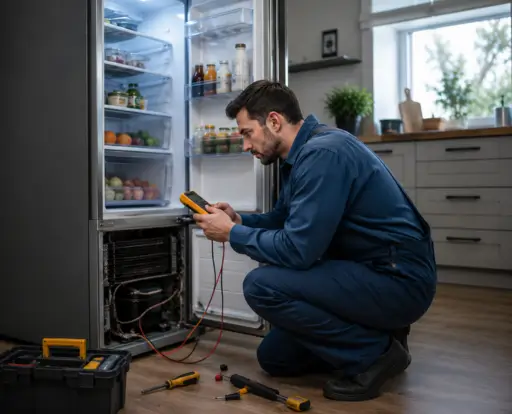
Why Is My Refrigerator Not Cooling?
A refrigerator works by removing heat from inside the appliance and releasing it outside through a carefully designed cooling system. When one part of this process becomes restricted or fails completely, the refrigerator struggles to maintain safe temperatures. Many homeowners first notice cooling problems when food spoils faster than normal, drinks no longer feel cold enough, or the refrigerator seems to run constantly.
In some situations, the freezer may continue working while the refrigerator compartment becomes noticeably warmer. These warning signs should never be ignored because they often indicate a developing mechanical problem. Refrigerator cooling complaints are among the most common appliance issues reported by homeowners seeking Refrigerator Repair in Sioux Falls, especially when the appliance begins losing its ability to maintain consistent temperatures. The good news is that understanding the root cause can help you determine whether the issue requires simple maintenance or professional repair.
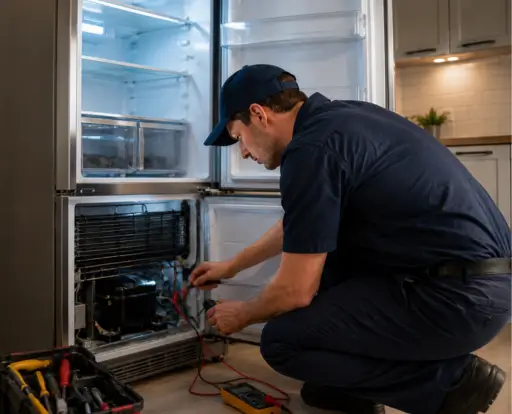
Common Causes of Refrigerator Cooling Problems?
A refrigerator may stop cooling because of:
While these issues vary in severity, all of them affect the refrigerator’s ability to maintain consistent temperatures. Some problems develop gradually over several months, while others occur suddenly. Regardless of how the issue begins, delaying repairs often places additional strain on important components and increases the likelihood of expensive damage later.
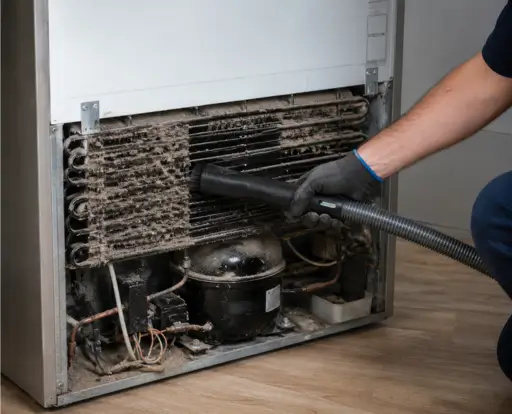
Dirty Condenser Coils Can Make Cooling Difficult
Condenser coils are responsible for releasing heat generated during the refrigeration cycle. Over time, dust, pet hair, and household debris collect on these coils and reduce their efficiency.When condenser coils become dirty, the refrigerator must work much harder to maintain proper temperatures. The compressor runs longer, energy consumption increases, and cooling performance gradually declines.
Many homeowners are surprised to learn that cleaning condenser coils is one of the simplest ways to improve refrigerator efficiency. Regular maintenance can often prevent unnecessary repairs and help extend appliance lifespan.This issue is particularly common among homeowners searching for dependable appliance repair services in Brandon because dust accumulation often goes unnoticed until cooling performance begins declining.
Poor Airflow Can Cause Uneven Cooling
Cold air must circulate freely throughout the refrigerator compartment. When airflow becomes restricted, certain areas remain warm while others become excessively cold.
Common airflow related problems include:
Poor airflow often creates confusion because the refrigerator may appear to be operating normally while temperatures continue rising inside.Many cooling complaints can be traced back to airflow restrictions that developed gradually over time. This is why technicians frequently inspect vents and circulation systems before recommending more expensive repairs.
Faulty Evaporator Fans Can Reduce Cooling Performance
The evaporator fan plays a critical role in moving cold air throughout the refrigerator. If the fan stops working correctly, cold air cannot circulate efficiently.
Homeowners may notice:
A faulty fan motor often causes temperature inconsistencies that worsen over time. Without proper airflow, food storage conditions become unreliable and energy consumption increases.
Damaged Door Seals Allow Cold Air to Escape
The rubber gasket surrounding the refrigerator door creates an airtight seal. If this seal becomes damaged, cold air escapes while warm air enters.As a result, the refrigerator must run longer cycles to compensate for the temperature loss.
Signs of a damaged gasket include:
A worn gasket may seem insignificant, but it can have a major impact on appliance efficiency. Fortunately, replacing a door seal is often far less expensive than repairing major cooling components.
Thermostat Problems Can Create Temperature Fluctuations
The thermostat controls when the refrigerator begins and ends its cooling cycle. If it fails to detect temperatures accurately, cooling performance becomes unpredictable.
Symptoms often include:
Thermostat issues can easily be mistaken for compressor problems or refrigerant leaks. Proper diagnosis helps prevent unnecessary replacement of expensive parts.
What You Can Check Before Calling a Technician
Before scheduling professional service, homeowners can perform a few basic inspections.
Start by checking the following:
These simple checks may identify minor issues that can be resolved quickly.
However, if cooling performance does not improve after completing these steps, professional diagnosis is recommended. Continuing to operate a malfunctioning refrigerator can place additional stress on internal components and increase repair costs.
How Weather Conditions Affect Refrigerators
Many people do not realize that outdoor temperatures can significantly affect refrigerator performance.During summer months, refrigerators work harder to remove heat and maintain proper food storage temperatures. Older units often struggle during extended periods of high demand.
This is particularly true for homeowners looking for dependable appliance technicians in Tea SD, where seasonal temperature fluctuations can place additional stress on aging refrigeration systems.Excessive heat can reveal weaknesses that previously went unnoticed. Components already experiencing wear may begin showing symptoms during the hottest weeks of the year.
Can Other Appliance Problems Be Connected?
In many households, refrigerator issues do not occur alone. Appliances installed around the same time often begin experiencing performance problems within similar periods.For example, homeowners who schedule a professional washing machine repair service sometimes discover that their refrigerator is also showing signs of wear. Both appliances depend on mechanical and electrical components that naturally deteriorate over time.
Similarly, households dealing with a dishwasher repair service frequently notice reduced appliance efficiency caused by a lack of routine maintenance. Although the systems operate differently, many appliance failures share common causes such as aging components, neglected cleaning, and excessive daily use.Addressing appliance problems early helps prevent larger repair bills and reduces the likelihood of unexpected breakdowns.
Why Delaying Repairs Can Become Expensive
Many refrigerator problems begin as minor maintenance concerns. A dirty coil, weak fan, or worn gasket may not seem urgent initially.However, when cooling efficiency decreases, the refrigerator compensates by running longer cycles and placing greater strain on important components.
Over time, this additional workload can contribute to:
The same pattern is often observed when homeowners require a professional dryer repair service after months of ignoring reduced heating performance or restricted airflow.Addressing refrigerator concerns early is almost always less expensive than waiting for complete system failure.
How to Prevent Refrigerator Cooling Problems
Preventive maintenance remains one of the most effective ways to avoid refrigerator repairs.
Consider the following maintenance practices:
These simple habits help refrigerators operate efficiently and reduce unnecessary strain on cooling components.Routine maintenance can also improve food preservation, lower energy consumption, and extend appliance lifespan.Many homeowners who invest in regular appliance care experience fewer breakdowns and lower long term ownership costs.
When Should You Call a Professional?
While basic maintenance can solve some cooling issues, certain problems require professional expertise.
Contact a technician if:
Professional diagnosis ensures that the actual cause is identified and repaired correctly.Attempting complex repairs without proper equipment can sometimes worsen the problem and increase repair expenses.
Frequently Asked Questions
Why is my refrigerator running but not cooling?
This is commonly caused by dirty condenser coils, airflow restrictions, faulty fans, thermostat problems, or compressor issues that prevent proper cooling.
Why is my freezer cold but my refrigerator warm?
This usually indicates an airflow problem. Cold air is being produced but is not circulating properly into the refrigerator compartment.
Can dirty condenser coils stop a refrigerator from cooling?
Yes. Dirty coils reduce heat transfer efficiency and force the refrigerator to work harder, often leading to cooling problems.
How long should a refrigerator last?
Most refrigerators last between 10 and 15 years when properly maintained and repaired when necessary.
Is it worth repairing a refrigerator that is not cooling?
In many cases, yes. Common repairs are often significantly less expensive than replacing the appliance entirely.
When should I call a refrigerator repair technician?
If basic troubleshooting does not restore cooling performance or you suspect compressor, electrical, or refrigerant problems, professional service is recommended.
Final Thoughts
A refrigerator that is not cooling properly should never be ignored. What begins as a minor maintenance issue can quickly develop into food spoilage, higher utility costs, and expensive repairs if left unresolved.Understanding the most common causes of cooling problems allows homeowners to act quickly and protect one of the most important appliances in their home. Whether the issue involves airflow restrictions, dirty condenser coils, thermostat malfunctions, or compressor concerns, early diagnosis almost always leads to better outcomes. By following proper maintenance practices and seeking professional help when necessary, homeowners can keep their refrigerators operating efficiently, extend appliance lifespan, and avoid unnecessary replacement costs.


