Microwave Oven Not Heating? Causes, Warning Signs, and Expert Solutions
If your microwave oven is not heating, the problem may be caused by a faulty magnetron, defective high voltage diode, damaged door switch, blown fuse, capacitor failure, or electrical component malfunction. While some minor issues can be identified through basic troubleshooting, persistent heating problems often require professional Microwave Oven Repair in Sioux Falls to restore safe and reliable performance.
A microwave is one of the most frequently used appliances in modern kitchens. Whether you are reheating leftovers, preparing quick meals, or warming beverages, you rely on consistent heating performance every day. When the microwave suddenly stops heating while still appearing to run normally, it can be both frustrating and confusing. Understanding what causes this problem can help homeowners determine when maintenance is sufficient and when professional repair is necessary.
Why Is My Microwave Oven Not Heating?
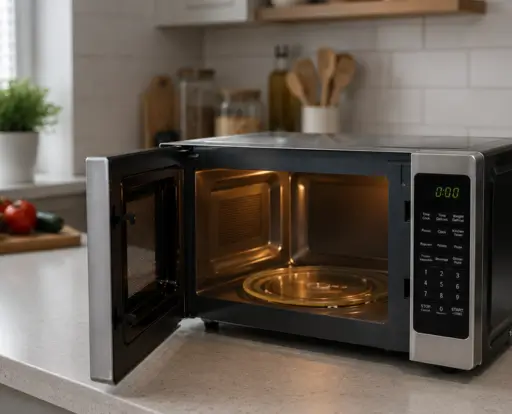
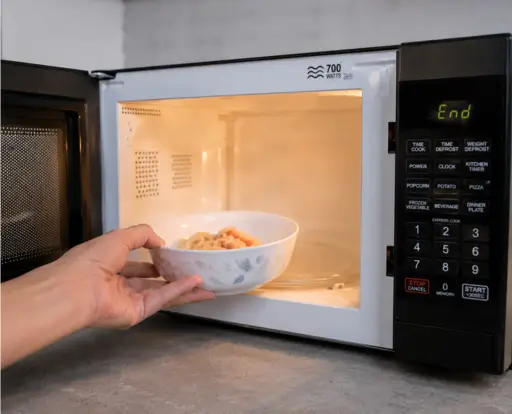
A microwave heats food using electromagnetic energy generated by a component called the magnetron. This energy excites water molecules within food, creating heat quickly and efficiently. When one part of the heating system fails, the microwave may still turn on, the interior light may work, and the turntable may continue rotating. However, the food remains cold because the appliance is no longer producing microwave energy effectively.
Many homeowners searching for reliable appliance repair in Sioux Falls are surprised to learn that a microwave can appear fully operational while critical heating components have already failed.
Common Causes of Microwave Heating Problems
Several issues can prevent a microwave from heating food properly.
Some of these problems develop gradually, while others occur suddenly without warning. Accurate diagnosis is important because multiple components can produce similar symptoms. Identifying the true source of the failure helps avoid unnecessary parts replacement and ensures the appliance is repaired correctly.
A Faulty Magnetron Is One of the Most Common Causes
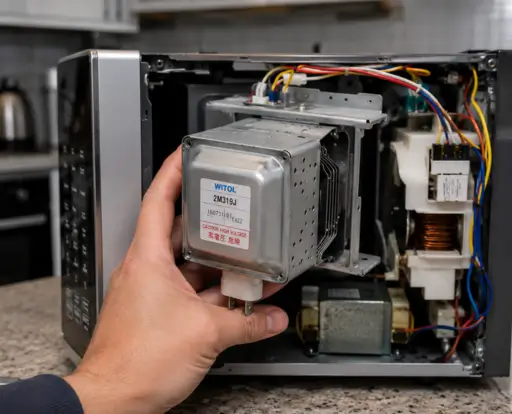
The magnetron is responsible for generating the microwave energy that heats food. Without it, the appliance cannot perform its primary function.As magnetrons age, they may lose efficiency or fail completely. In some cases, homeowners notice longer heating times before the component stops working altogether.
Signs of magnetron failure often include cold food after a full cycle, unusual buzzing sounds, or inconsistent heating performance. Because the magnetron operates within a high voltage system, professional testing is usually recommended.
High Voltage Diode Problems Can Stop Heating
The high voltage diode works alongside other electrical components to deliver power to the magnetron. If the diode fails, the microwave may continue running but lose its ability to heat food. A defective diode can produce symptoms that closely resemble magnetron failure. This is one reason why proper diagnosis is important before replacing expensive components. Many service calls involving microwave heating issues reveal that a relatively small electrical component was responsible for the entire problem.
Door Switch Failures Are Often Overlooked
Modern microwaves contain safety switches that verify the door is properly closed before allowing the heating system to operate. If a door switch becomes worn or damaged, the microwave may appear normal while preventing the heating circuit from functioning correctly.
Common symptoms include:
Because door switches are frequently used during daily operation, they naturally experience wear over time.
Electrical Component Failures Can Affect Performance
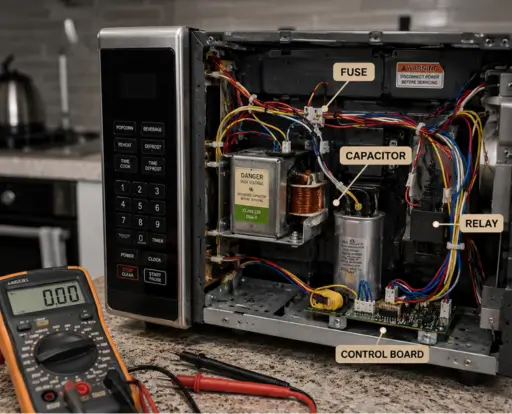
Microwaves rely on several electrical components working together to produce heat safely and efficiently. Internal fuses, capacitors, relays, and control boards all contribute to normal operation. When one of these components fails, heating performance can be affected immediately.
Electrical problems are often difficult to diagnose without specialized equipment because many components are hidden inside the appliance cabinet. Homeowners looking for dependable home appliance service in Crooks SD often discover that electrical component failures are responsible for microwave problems that initially appeared more serious.
What You Can Check Before Calling a Technician
Before scheduling service, homeowners can perform a few basic inspections.
Check the following:
Sometimes a simple setting adjustment or power issue may be responsible for the problem. However, if the microwave continues running without producing heat, internal component failure becomes much more likely.
Can Power Supply Issues Affect Heating?
Microwaves require a stable electrical supply to operate correctly. Low voltage conditions or overloaded circuits may affect performance. If the appliance shares a circuit with several other high-demand devices, power delivery may become inconsistent. While this does not always stop heating completely, it can contribute to reduced performance and unusual operation. Homeowners should ensure the microwave is connected according to manufacturer recommendations and avoid excessive use of extension cords whenever possible.
How Appliance Age Influences Microwave Performance
Like most household appliances, microwaves experience wear as components age. Internal electrical parts gradually deteriorate after years of daily use. Older units may begin showing signs such as inconsistent heating, longer cooking times, unusual noises, or intermittent operation. While age alone does not necessarily require replacement, it does increase the likelihood of component failure. Homeowners seeking trusted local appliance experts in Harrisburg often ask whether repair or replacement is the better option. The answer usually depends on the age of the appliance, repair cost, and overall condition.
Can Other Kitchen Appliances Show Similar Warning Signs?
Appliance problems often develop gradually rather than appearing overnight. When one kitchen appliance begins showing performance issues, others may be approaching similar maintenance needs. For example, households scheduling a professional Baking Oven Repair sometimes report microwave performance concerns during the same visit. Both appliances rely on electrical systems, controls, and components that naturally wear with time. Likewise, homeowners who require a Stove repair service occasionally discover additional appliance issues after noticing changes in kitchen appliance performance. Regular maintenance helps identify these concerns before they become major repairs.
Why Ignoring Microwave Heating Problems Can Become Expensive
Many homeowners continue using a malfunctioning microwave even after heating performance begins declining. Unfortunately, this often places additional strain on other internal components. A small electrical issue can eventually contribute to larger failures if left unresolved. Delaying repairs may increase costs and reduce the likelihood of a simple fix.
Common consequences include:
Addressing the issue early often provides the most cost-effective solution.
How to Extend the Life of Your Microwave
Preventive maintenance plays an important role in microwave reliability.
Homeowners should:
These simple habits reduce wear on important components and help maintain consistent performance. Routine care also improves efficiency and lowers the likelihood of unexpected breakdowns. Homeowners looking for experienced appliance technicians in Tea SD often find that basic maintenance significantly extends appliance lifespan.
When Should You Call a Professional?
Professional diagnosis is recommended if:
Because microwave systems contain high voltage components that can remain dangerous even after unplugging the appliance, repairs should be handled carefully. A qualified technician can safely diagnose the issue and determine whether repair or replacement offers the best long-term value.
Frequently Asked Questions
Why is my microwave running but not heating?
This is commonly caused by a faulty magnetron, defective diode, damaged door switch, or other high voltage component failure.
Can a blown fuse stop a microwave from heating?
Yes. Depending on the type of fuse involved, heating performance may be affected or the appliance may stop operating completely.
Is it worth repairing a microwave that is not heating?
In many cases, yes. The decision depends on the age of the microwave, repair cost, and condition of other components.
Why does my microwave make noise but not heat food?
This often indicates a problem with the magnetron, diode, or another component within the high voltage system.
Can door switch problems prevent heating?
Absolutely. Safety switches are designed to disable the heating system if the door is not detected properly.
When should I call a microwave repair technician?
If the appliance continues running without heating food or shows signs of electrical component failure, professional diagnosis is recommended.
Final Thoughts
A microwave oven that is not heating properly is often a sign of an underlying electrical or mechanical issue that should not be ignored. Components such as the magnetron, high voltage diode, door switches, and control systems all play important roles in producing safe and reliable heating performance.
By understanding the most common causes of microwave heating problems and addressing warning signs early, homeowners can avoid larger repair costs and extend appliance lifespan. Whether the issue involves a failed magnetron, electrical fault, or safety switch problem, timely diagnosis is usually the most effective path toward restoring dependable kitchen performance.


